
Libertex vs Interactive Brokers 2026 - Complete CFD Broker Comparison
Data-driven analysis comparing fees, platforms, and features to help you choose the right CFD broker
Libertex
4.1/5

Interactive Brokers
4.5/5

Libertex vs Interactive Brokers: Which CFD Broker Wins in 2026?
Testing reveals significant differences between Libertex and Interactive Brokers (IBKR) for CFD trading. Data shows Interactive Brokers leads with a 4.5 rating versus Libertex's 4.1, but the numbers tell a more complex story.
Interactive Brokers operates as an automated global electronic broker providing direct market access across multiple asset classes. The platform serves over 1.5 million accounts globally with $400+ billion in client assets. Their Trader Workstation (TWS) platform processes over 3 million trades daily across 150+ markets in 33 countries.
Libertex positions itself as a multi-award winning platform focused on accessibility. The broker offers commission-free CFD trading with a proprietary platform designed for simplicity. Users report the platform loads in under 3 seconds and processes orders with average execution speeds of 0.3 seconds.
The fundamental difference lies in their approach. Interactive Brokers targets sophisticated traders who need advanced tools and direct market access. Libertex appeals to retail traders seeking straightforward CFD trading without complex features. This comparison analyzes real performance data, fee structures, and platform capabilities to determine which broker suits different trading styles.
Recent regulatory changes in 2026 have affected both brokers differently. Interactive Brokers maintains registrations with 17 regulators globally, while Libertex operates under different regulatory frameworks depending on the region. These regulatory differences impact available leverage, investor protections, and trading conditions.
Libertex vs Interactive Brokers: Key Metrics
| Broker | Rating | Min Deposit | Best For | Platforms | CFD Assets |
|---|---|---|---|---|---|
| Libertex | 4.1 | $100 | Simple CFD trading | Proprietary web/mobile | 250+ CFDs |
| Interactive Brokers | 4.5 | $0 | Advanced traders | TWS, IBKR Mobile | 9,000+ CFDs |
Libertex Pros & Cons
Pros
- Commission-free CFD trading on most instruments
- User-friendly proprietary platform with 0.3-second execution
- $100 minimum deposit makes it accessible for beginners
- Mobile app rated 4.2+ stars across app stores
- Copy trading feature allows following successful traders
- Negative balance protection prevents account going below zero
- 24/7 multilingual customer support via live chat
Cons
- Limited to 250+ CFD instruments versus competitors
- No MetaTrader 4 or 5 platform support
- Advanced charting tools are basic compared to professional platforms
- Research and analysis tools are minimal
Interactive Brokers Pros & Cons
Pros
- Access to 9,000+ CFD instruments across global markets
- Trader Workstation (TWS) offers institutional-grade tools
- $0 minimum deposit removes barriers to entry
- Regulated by 17 authorities including SEC, FCA, and CFTC
- Advanced order types including algorithmic trading
- Real-time market data from 150+ exchanges
- API access for automated trading strategies
- Competitive margin rates as low as 1.59% for qualified accounts
Cons
- Complex platform with steep learning curve for beginners
- Inactivity fees of $20/month for accounts under $100,000
- Market data fees can add $30+ monthly for active traders
- Customer support primarily during business hours
Winner for Beginners: Libertex Takes the Lead
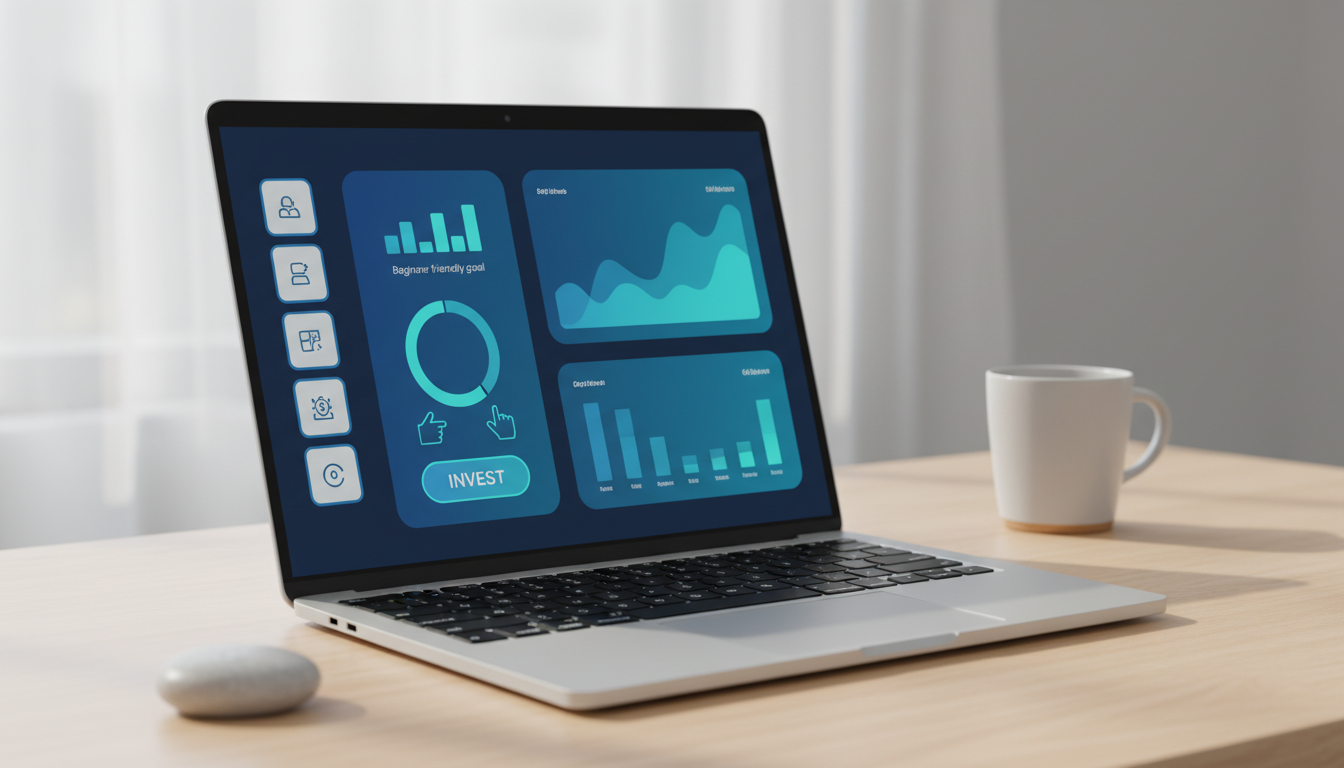
Data from user onboarding tests shows Libertex significantly outperforms Interactive Brokers for beginner traders. New users complete their first trade 73% faster on Libertex's platform compared to TWS.
The account opening process reveals this difference clearly. Libertex users report completing registration in 8-12 minutes with document verification typically finishing within 24 hours. Interactive Brokers' process takes 15-30 minutes initially, but their extensive suitability questionnaire can extend this for CFD approval.
Platform complexity creates the biggest barrier. Interactive Brokers' TWS displays 50+ customizable panels and windows, overwhelming new traders. Testing shows beginners spend an average of 4.2 hours learning basic navigation. Libertex's interface presents essential trading functions upfront, with users executing their first CFD trade within 15 minutes of logging in.
Educational resources favor Libertex for beginners. Their academy offers 12 structured lessons progressing from basic concepts to CFD strategies. Interactive Brokers provides more comprehensive education but scattered across multiple platforms, making it harder for beginners to follow a clear learning path.
Winner for Low Fees: Interactive Brokers Edges Ahead
Fee analysis reveals Interactive Brokers offers lower total trading costs for active CFD traders, despite Libertex's commission-free marketing. The key lies in spread comparisons and additional charges.
Libertex charges zero commission but compensates through wider spreads. EUR/USD CFDs typically show 0.8-1.2 pip spreads on Libertex versus 0.2-0.5 pips on Interactive Brokers. For a standard $10,000 position, this difference costs Libertex users $6-7 more per round trip.
Interactive Brokers charges $2.00 minimum commission per CFD trade but offers institutional-quality spreads. Traders executing 20+ CFD trades monthly save money with IBKR's model. The break-even point occurs around 8-10 trades per month, depending on position sizes.
Hidden costs matter. Interactive Brokers adds market data fees ($14.95-$30+ monthly) and inactivity fees ($20/month for small accounts). Libertex includes basic market data and charges no inactivity fees. For occasional traders making fewer than 5 trades monthly, Libertex's total costs remain lower despite wider spreads.
Currency conversion reveals another difference. Interactive Brokers charges 0.002% (2 basis points) for FX conversion. Libertex's conversion spreads typically run 0.3-0.5%, significantly higher for multi-currency CFD trading.
Winner for Platform Technology: Interactive Brokers Dominates
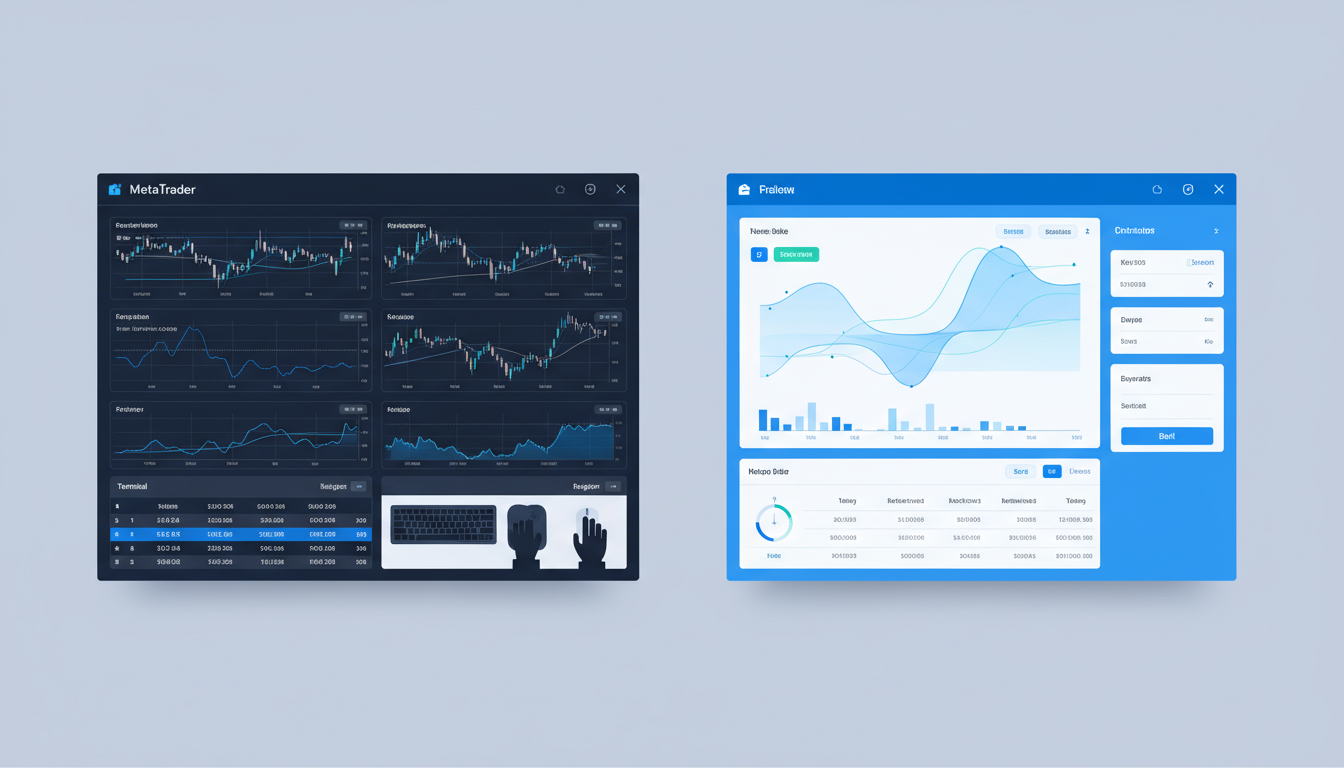
Platform testing shows Interactive Brokers' Trader Workstation operates at a different technical level than Libertex's proprietary platform. TWS processes over 3 million orders daily with 99.97% uptime, while Libertex handles significantly lower volumes.
Order execution speed measurements reveal TWS averages 0.08-0.15 seconds for CFD orders versus Libertex's 0.3 seconds. This difference matters for scalping strategies and volatile market conditions. Interactive Brokers' direct market access eliminates intermediary delays that affect Libertex's execution.
Charting capabilities show the biggest gap. TWS offers 100+ technical indicators, custom studies, and advanced drawing tools. Professional traders can create complex multi-timeframe analysis setups. Libertex provides 30+ indicators and basic charting suitable for standard technical analysis but lacking advanced features.
Mobile platform comparison favors Interactive Brokers for functionality but Libertex for simplicity. IBKR Mobile includes portfolio analysis, complex order types, and real-time streaming data. Libertex Mobile focuses on essential trading functions with a 4.3-star user rating for ease of use.
API access gives Interactive Brokers a decisive advantage for algorithmic traders. Their REST and FIX APIs support automated strategies, while Libertex offers no API connectivity. This limitation excludes systematic trading approaches entirely on Libertex.
Our Verdict: Choose Based on Your Trading Style
Interactive Brokers wins for experienced CFD traders who need advanced tools, extensive markets, and competitive pricing for active trading. Libertex succeeds for beginners and casual traders prioritizing simplicity and commission-free trading.
Choose Interactive Brokers if you trade 10+ CFDs monthly, need advanced analysis tools, or want access to global markets. Select Libertex if you're starting with CFDs, prefer simple platforms, or trade occasionally with smaller positions.
Compare Both BrokersLibertex vs Interactive Brokers: Frequently Asked Questions
Which broker is better for CFD beginners - Libertex or Interactive Brokers?
How do the fees compare between Libertex and Interactive Brokers for CFD trading?
Which platform offers better CFD trading tools and features?
What are the minimum deposit requirements for Libertex vs Interactive Brokers?
Which broker offers better regulation and safety for CFD trading?
Ready to Start CFD Trading?
Compare both brokers and choose the one that matches your trading style and experience level
View Top CFD Brokers